Special Deal
£11.24Any Courses
Limited Time only





100% Online Training

14 Days Money Back Guarantee

24/7 Tutor Support

Industry Expert Instructors

Engaging Video Content

Acquired Brain Injuries (ABI) Training
Last updated:
September 2026

Course Duration
Course Level
This Course Includes:

Free Certificate download upon completion

Bulk discount for orders of 5+ courses

Access from anywhere

Assessment retakes at no extra cost

Full audio voiceover

9 CPD points
Description
When someone you care for suddenly behaves differently after a brain injury, it can be difficult to understand what is happening or know how to respond. Acquired Brain Injury Training from High Skills Training helps care staff, support workers, community healthcare professionals, social workers, and family carers understand how ABI can affect behaviour, communication, emotions, cognition, and everyday life. It can help you recognise that changes in behaviour are not always intentional and respond with greater understanding and confidence.
Begin by exploring how the brain works and how different brain regions influence thinking, behaviour, communication, and daily functioning. You’ll learn about the causes and types of acquired brain injury, how injuries affect the brain, and why some symptoms may appear immediately while others develop later.
The training then focuses on the effects of ABI, including memory and cognitive difficulties, communication and speech changes, emotional and psychological challenges, behavioural changes, and physical or sensory impacts. You’ll also explore how brain injury can affect relationships, education, employment, independence, and family life, helping you understand the person beyond their symptoms.
You’ll explore person-centred recovery, functional support, behaviour management, emotional regulation, and the role of multidisciplinary teams. These topics can help carers respond more appropriately to frustration, agitation, confusion, and other changes without unnecessarily escalating difficult situations.
You’ll also develop an understanding of mental capacity, consent, supported decision-making, safeguarding, family support, and community reintegration. The training highlights the importance of recognising individual needs while supporting independence, wellbeing, and quality of life over the longer term.
After completion, you’ll receive a FREE digital certificate to recognise your learning. Enrol in this Acquired Brain Injury Training to build your understanding of ABI, support individuals with greater empathy, and respond more confidently to the challenges that brain injury can bring.
Show More
What you will learn in this course
- Brain structure, brain functions, ABI causes, types, and severity levels
- Cognitive, communication, emotional, behavioural, physical, and sensory changes
- Reasons behind mood swings, agitation, confusion, and personality changes
- Person-centred rehabilitation, daily support, emotional regulation, and recovery
- Mental capacity, consent, safeguarding, supported decision-making, and legal needs
- Family support, community reintegration, independence, wellbeing, and quality of life
Who Should Take This Course
- Health and social care support workers who may assist people living with brain injury.
- Care assistants, rehabilitation support staff and community support workers.
- Family members and informal carers seeking greater understanding of ABI-related changes.
- Education, housing and community professionals supporting people whose functioning has changed following brain injury.
- Managers and supervisors responsible for coordinating person-centred support.
- Learners considering further study in health, rehabilitation, psychology, neuroscience or social care.
Sneak Peek
CPD Accredited Certificate
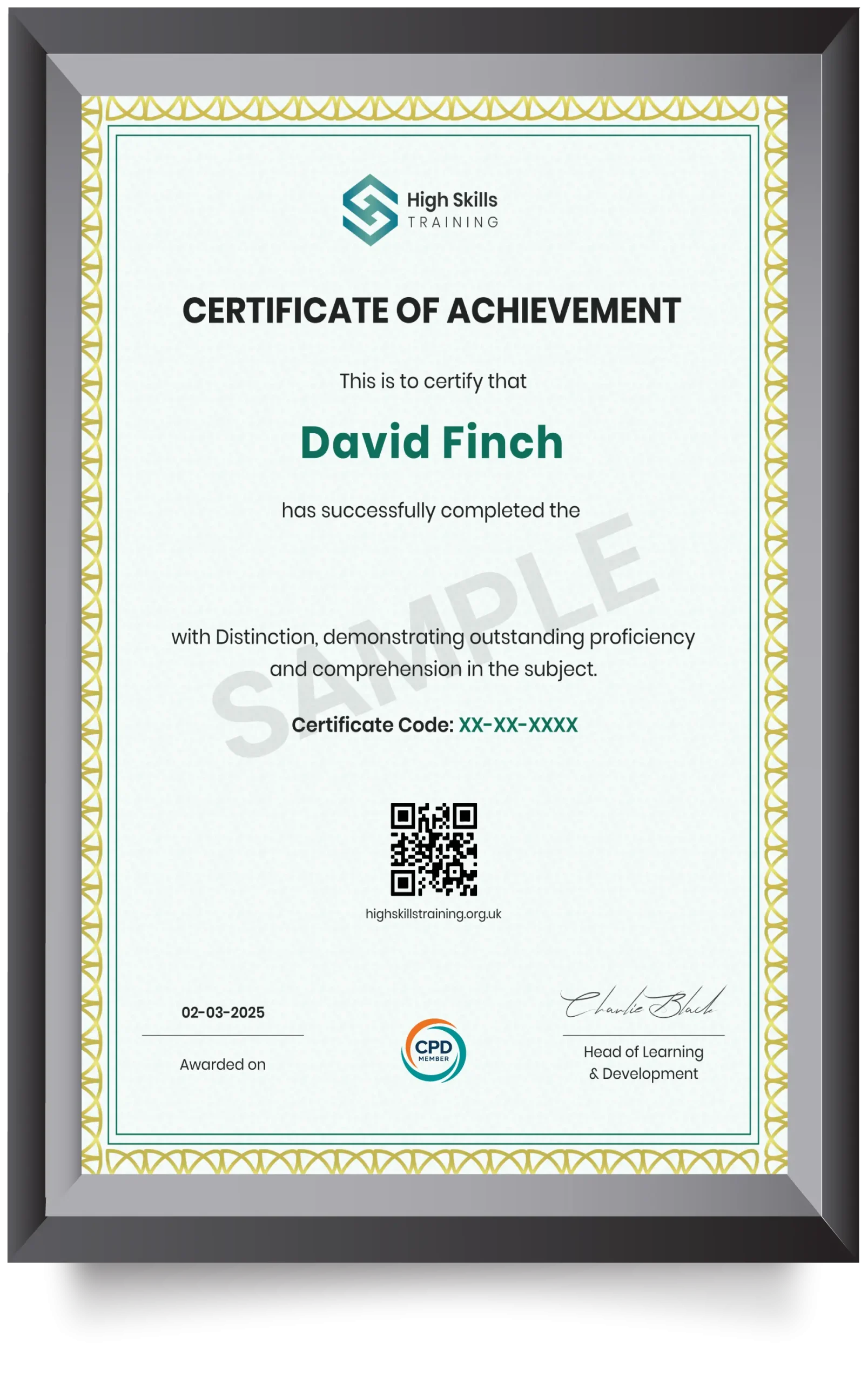
Our certificates are industry-recognised and can significantly boost your employability. They serve as proof that you've completed high-quality, CPD-accredited training and are aligned with current industry standards. Whether you're entering the job market or aiming for higher roles, this certificate adds strong value to your CV. It showcases your professional knowledge and commitment to continuous development, helping you stand out in the UK workforce.
Acquired Brain Injuries (ABI) Training
Curriculum
Understanding the Brain and Foundations of Brain Injury

Section Overview of Understanding the Brain and Foundations of Brain Injury
Core Neuroanatomy and Functional Brain Regions
How Brain Networks Produce Behaviour, Thinking and Daily Function

Case Study – The Routine That Became Hard
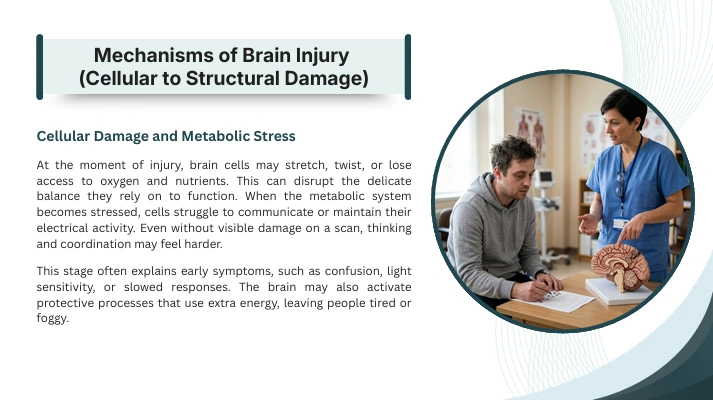
Mechanisms of Brain Injury (Cellular to Structural Damage)
Classification of Brain Injuries
Epidemiology and Prevalence of Brain Injury in the UK
Brain Injury Terminology and Severity Scales
Section Highlights of Understanding the Brain and Foundations of Brain Injury
Causes, Types and Mechanisms of Acquired Brain Injury
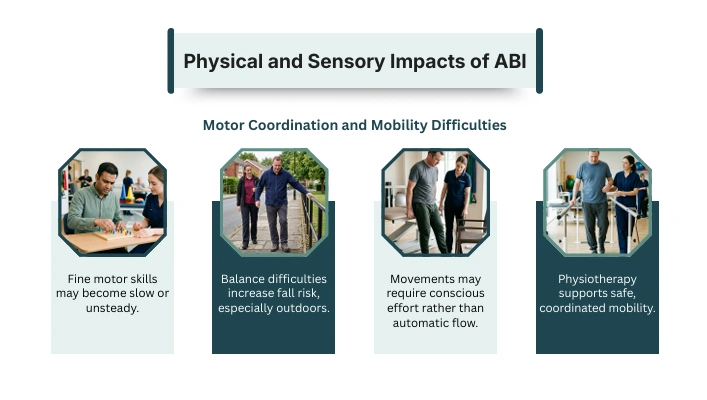
Impact, Symptoms and Functional Consequences of ABI
Traumatic Brain Injury (TBI): Mechanisms, Assessment and Management
Rehabilitation, Support Planning and MDT Roles in Brain Injuries
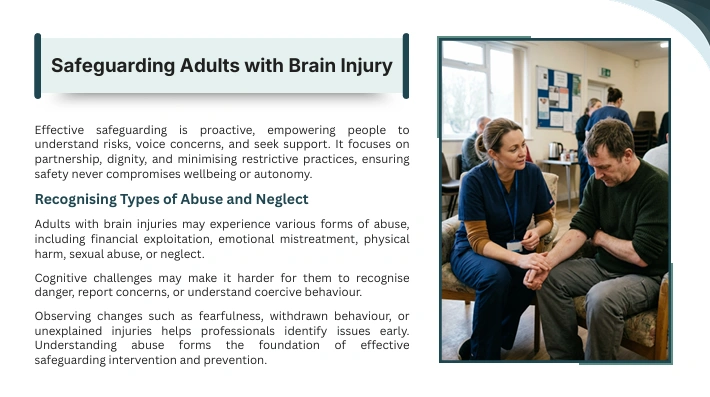
Legal, Ethical, Safeguarding and Long-Term Care Considerations in Brain Injuries
Additional Resources
Next Steps for Learners
Quiz

Frequently Asked Questions
Can you fully recover from an acquired brain injury?
What are the signs of a lack of emotion after a brain injury?
What not to say to someone with a brain injury?
Can I add my course certificate to my CV?
Will I receive a certificate upon completion?
Is prior experience required to enrol in this course?
How frequently is the course updated?
Can I access the course on my phone or tablet?
Can this course be purchased for multiple learners?
Will I need to complete the course in one sitting?
Learner’s Also Bought
 Free Certificate Included
Basic Life Support and CPR
Join our Basic Life Support and CPR course to learn essential life-saving skills and make a difference in emergencies.
 Free Certificate Included
Basic Life Support and Safe Use of AED
Basic life support and AED training offer lifesaving skills to protect lives when seconds matter.
 Free Certificate Included
Pressure Ulcer Prevention Training
Develop confidence in recognising pressure risks, supporting skin integrity, and preventing pressure ulcers with this pressure ulcer prevention training.
14 Days Money-Back Guarantee